Featured
Table of Contents
- – The Hidden Weight of Inherited Pain
- – Why Standard Talk Treatment Occasionally Falls...
- – Somatic Treatment: Reconnecting Mind and Body
- – EMDR: Reprocessing Trauma at the Resource
- – The Perfectionism-Burnout Cycle
- – Partnership Conflicts as Injury Reenactment
- – Searching For Culturally-Informed Support
- – Beginning Your Healing Trip
Intergenerational injury doesn't introduce itself with excitement. It appears in the perfectionism that keeps you burning the midnight oil right into the evening, the fatigue that really feels impossible to drink, and the relationship disputes that mirror patterns you swore you would certainly never ever repeat. For many Asian-American family members, these patterns run deep-- passed down not via words, however with unmentioned expectations, suppressed emotions, and survival strategies that as soon as shielded our forefathers now constrain our lives.
The Hidden Weight of Inherited Pain
Intergenerational trauma describes the psychological and psychological injuries sent from one generation to the next. When your grandparents survived war, variation, or persecution, their bodies learned to exist in a constant state of hypervigilance. When your moms and dads came in and faced discrimination, their nerves adjusted to perpetual tension. These adaptations do not simply disappear-- they come to be encoded in family characteristics, parenting styles, and even our organic tension feedbacks.
For Asian-American communities specifically, this injury frequently shows up through the version minority misconception, psychological reductions, and a frustrating stress to accomplish. You might find on your own incapable to celebrate successes, regularly moving the goalposts, or feeling that rest equates to idleness. These aren't individual failings-- they're survival systems that your nerves inherited.
Why Standard Talk Treatment Occasionally Falls Short
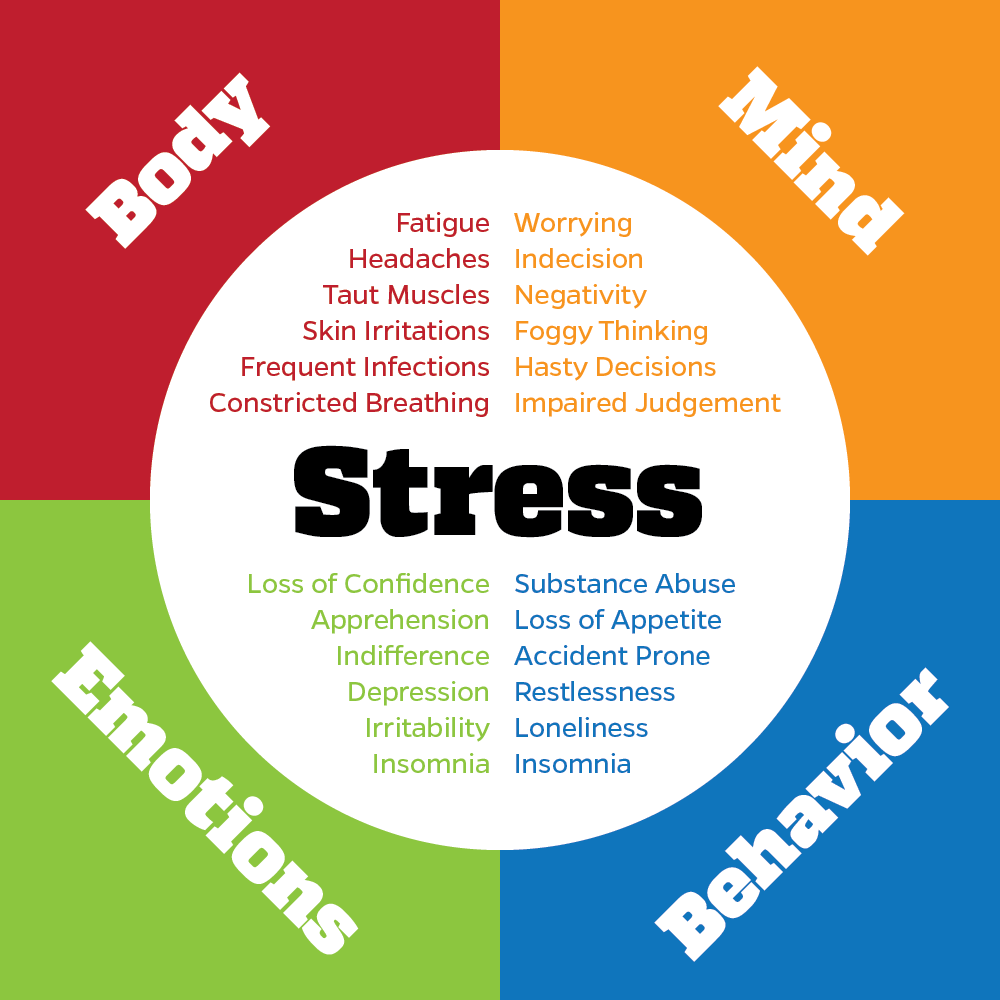
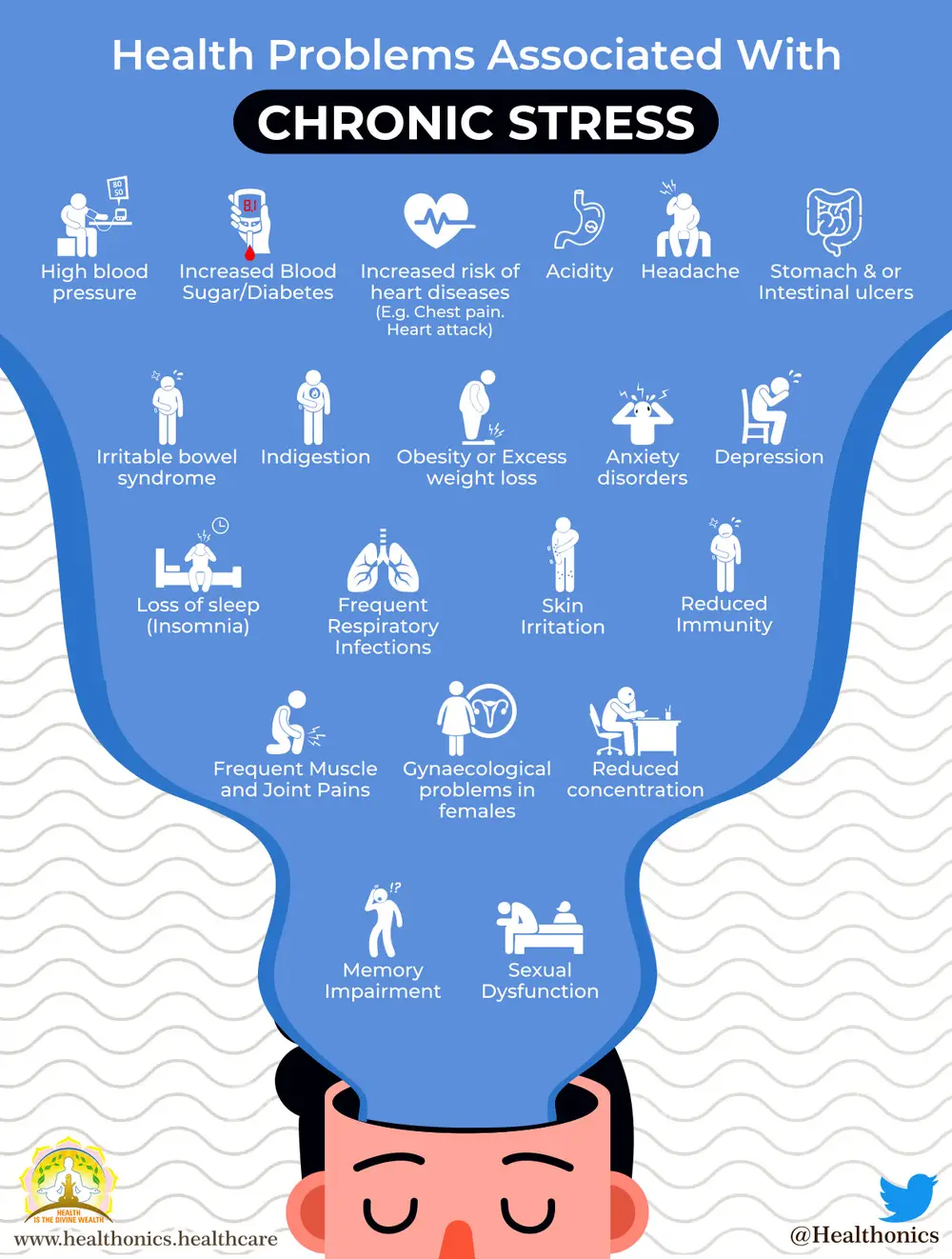
Several individuals invest years in traditional talk treatment discussing their childhood, analyzing their patterns, and gaining intellectual insights without experiencing significant modification. This occurs because intergenerational injury isn't stored mainly in our ideas-- it resides in our bodies. Your muscle mass keep in mind the stress of never ever being quite adequate. Your digestion system brings the stress of overlooked household assumptions. Your heart price spikes when you expect disappointing someone crucial.
Cognitive understanding alone can not release what's kept in your nerve system. You could recognize intellectually that you are worthy of rest, that your worth isn't connected to performance, or that your moms and dads' criticism came from their very own discomfort-- yet your body still reacts with anxiousness, pity, or exhaustion.
Somatic Treatment: Reconnecting Mind and Body
Somatic treatment comes close to injury through the body instead of bypassing it. This therapeutic technique recognizes that your physical sensations, motions, and worried system feedbacks hold essential details concerning unresolved injury. Rather than just speaking concerning what took place, somatic therapy assists you see what's happening inside your body right now.
A somatic specialist might assist you to observe where you hold stress when talking about family assumptions. They could aid you explore the physical sensation of anxiousness that develops in the past crucial discussions. Via body-based methods like breathwork, mild motion, or basing exercises, you begin to control your anxious system in real-time as opposed to just comprehending why it's dysregulated.
For Asian-American customers, somatic therapy offers particular advantages due to the fact that it doesn't need you to vocally refine experiences that your society might have educated you to maintain exclusive. You can heal without having to articulate every information of your family's pain or immigration tale. The body talks its very own language, and somatic work honors that communication.
EMDR: Reprocessing Trauma at the Resource
Eye Movement Desensitization and Reprocessing (EMDR) represents one more powerful technique to recovery intergenerational injury. This evidence-based treatment utilizes bilateral excitement-- commonly led eye motions-- to assist your mind reprocess stressful memories and acquired stress responses. Unlike traditional therapy that can take years to produce outcomes, EMDR frequently produces considerable changes in relatively couple of sessions.
EMDR works by accessing the means trauma gets "" stuck"" in your nerves. When you experienced or taken in intergenerational pain, your mind's normal processing devices were overwhelmed. These unrefined experiences proceed to cause contemporary reactions that feel disproportionate to existing conditions. Via EMDR, you can ultimately complete that handling, allowing your nerve system to launch what it's been holding.
Research shows EMDR's performance prolongs past personal injury to inherited patterns. When you process your own experiences of criticism, stress, or psychological overlook, you at the same time start to untangle the generational strings that created those patterns. Many customers report that after EMDR, they can finally establish boundaries with relative without debilitating regret, or they discover their perfectionism softening without conscious effort.
The Perfectionism-Burnout Cycle
Perfectionism and exhaustion form a vicious circle especially widespread among those carrying intergenerational injury. The perfectionism typically stems from a subconscious idea that flawlessness may ultimately earn you the genuine acceptance that really felt lacking in your family members of origin. You work harder, accomplish a lot more, and elevate the bar once again-- hoping that the following achievement will certainly silent the internal voice stating you're not enough.
Perfectionism is unsustainable by layout. It leads unavoidably to exhaustion: that state of psychological fatigue, resentment, and minimized efficiency that no quantity of holiday time appears to heal. The burnout after that activates embarassment regarding not having the ability to "" handle"" everything, which fuels much more perfectionism in an attempt to prove your worth. Round and round it goes.
Damaging this cycle needs attending to the trauma underneath-- the internalized messages regarding conditional love, the acquired hypervigilance, and the nerve system patterns that equate rest with danger. Both somatic treatment and EMDR stand out at interrupting these deep patterns, allowing you to finally experience your inherent worthiness without having to make it.
Partnership Conflicts as Injury Reenactment
Intergenerational trauma doesn't remain had within your individual experience-- it certainly appears in your relationships. You could locate on your own brought in to companions who are psychologically unavailable (like a moms and dad that couldn't show affection), or you could end up being the pursuer, attempting desperately to obtain others to meet needs that were never ever satisfied in youth.
These patterns aren't aware choices. Your nerves is attempting to master old injuries by recreating comparable characteristics, wishing for a different outcome. Sadly, this usually suggests you wind up experiencing familiar discomfort in your adult partnerships: sensation unseen, combating about that's right as opposed to seeking understanding, or swinging in between distressed accessory and emotional withdrawal.
Treatment that addresses intergenerational injury helps you identify these reenactments as they're occurring. Much more notably, it provides you devices to develop different responses. When you recover the original wounds, you stop subconsciously seeking partners or producing dynamics that replay your family background. Your relationships can come to be spaces of authentic connection as opposed to trauma repeating.
Searching For Culturally-Informed Support
Therapy for Guilt and ShameFor Asian-American individuals, collaborating with specialists that comprehend social context makes a significant distinction. A culturally-informed specialist recognizes that your partnership with your moms and dads isn't merely "" snared""-- it reflects social values around filial piety and household communication. They understand that your hesitation to express feelings doesn't indicate resistance to treatment, but shows cultural norms around emotional restraint and conserving face.
Therapists concentrating on Asian-American experiences can help you navigate the one-of-a-kind stress of recognizing your heritage while also recovery from facets of that heritage that trigger discomfort. They recognize the stress of being the "" successful"" kid that raises the whole household, the complexity of intergenerational sacrifice, and the particular methods that racism and discrimination compound family members injury.
Beginning Your Healing Trip
Healing intergenerational injury isn't regarding criticizing your moms and dads or rejecting your social history. It's about finally taking down concerns that were never your own to bring to begin with. It's regarding allowing your nerve system to experience security, so perfectionism can soften and exhaustion can recover. It's regarding creating partnerships based on authentic link instead than trauma patterns.
Oakland, CAWhether via somatic therapy, EMDR, or an incorporated technique, recovery is feasible. The patterns that have gone through your household for generations can stop with you-- not through self-control or more accomplishment, but through compassionate, body-based handling of what's been held for as well long. Your kids, if you have them, won't acquire the hypervigilance you bring. Your partnerships can end up being resources of genuine nutrients. And you can lastly experience rest without sense of guilt.
The job isn't easy, and it isn't quick. It is feasible, and it is extensive. Your body has actually been awaiting the opportunity to finally launch what it's held. All it needs is the ideal support to start.

Table of Contents
- – The Hidden Weight of Inherited Pain
- – Why Standard Talk Treatment Occasionally Falls...
- – Somatic Treatment: Reconnecting Mind and Body
- – EMDR: Reprocessing Trauma at the Resource
- – The Perfectionism-Burnout Cycle
- – Partnership Conflicts as Injury Reenactment
- – Searching For Culturally-Informed Support
- – Beginning Your Healing Trip
Latest Posts
Finding the Right Practice
Narcissistic Wounds through Depth Psychology in Chicago
Parental Pressure Stemming from Generational Patterns
More
Latest Posts
Finding the Right Practice
Narcissistic Wounds through Depth Psychology in Chicago
Parental Pressure Stemming from Generational Patterns