Featured
Table of Contents
- – Extensive treatment delivers breakthrough outc...
- – EMDR, IFS and ART techniques master intensive ...
- – Complicated trauma from abuse responds especia...
- – Evidence demonstrates enduring change past tem...
- – Practical factors to consider shape hideaway s...
- – Picking intensive treatment calls for understa...
- – The landscape discloses possibilities and trus...
- The holistic healing arts retreat: An intensive experiential intervention for survivors of interpersonal trauma
- Eye Movement Desensitization and Reprocessing (EMDR) for PTSD
- How Effective Are Therapy Intensives?
Intensive therapy resorts compress months of recovery right into days with evidence-based injury treatment in immersive, exclusive setups. These concentrated therapeutic experiences provide 6-8 hours of daily individually therapy over 3-5 successive days, changing standard once a week 50-minute sessions with continual processing that eliminates the "activation without resolution" problem tormenting conventional approaches. Research demonstrates this isn't simply faster-- Georgetown College's 2021 randomized controlled test found statistically considerable enhancements in PTSD symptoms (impact size d= - Therapy for PTSD Northampton MA.70), anxiety, and self-compassion sustained at 7 months post-retreat. For trauma survivors who've plateaued in standard therapy or can't afford to wait years for healing, intensive therapy retreats represent a standard change backed by neuroscience, medical evidence, and hundreds of changed lives
The version functions because trauma memories require complete reprocessing cycles. Weekly treatment commonly resumes injuries without time to settle them, forcing clients to go back to life while mentally activated. Intensive layouts allow specialists to guide clients through entire recovery arcs-- targeting a terrible memory, processing linked feelings, mounting adaptive beliefs, and attaining somatic calmness-- all within continual sessions. As the Injury Institute keeps in mind, "1 hideaway day equals 2 months of regular treatment, but results are substantially extra powerful due to the continuity of the job."
Extensive treatment delivers breakthrough outcomes where conventional approaches plateau
The essential difference between intensive treatment resorts and typical weekly sessions facilities on energy and depth. Typical treatment calls for 5-10 minutes of "catching up" every week, fragments therapeutic job throughout months, and threats psychological re-armoring in between sessions. Extensive hideaways eliminate these challenges. Clients become their specialist's sole focus for successive days, diving deeper right into origin instead of perpetually taking care of surface area symptoms.
Time performance verifies exceptional: What usually calls for 20-30 once a week sessions typically resolves in 3-5 hideaway days. This isn't about rushing-- it has to do with restoring treatment to its optimum layout. EMDR, for example, was originally made for 90-minute sessions; insurance policy constraints forced the 50-minute criterion that reduces effectiveness. Psychology Today's 2025 evaluation notes that intensive EMDR methods supplied over 2 weeks showed equivalent performance to 8-week protocols, with possibly better conclusion prices for time-constrained individuals.
The immersive setting magnifies recovery. Removing customers from day-to-day triggers, job demands, and family dynamics develops room for susceptible psychological job. All-natural hideaway settings offer extra restorative benefits: UC Berkeley study with battle experts discovered 29% reduction in PTSD signs and symptoms after nature immersion programs. The mix of expert medical care, natural recovery atmospheres, and freedom from day-to-day distractions develops problems for development impossible in conventional outpatient setups.
EMDR, IFS and ART techniques master intensive formats for injury resolution
3 evidence-based approaches control intensive therapy hideaways for injury: Eye Movement Desensitization and Reprocessing (EMDR), Internal Household Equipment (IFS), and Accelerated Resolution Treatment (ART). Each addresses how distressing memories are saved and refined, making them especially fit for focused therapy.
EMDR carries the greatest study support, with 35+ randomized regulated trials and greatest referrals from the VA/DoD Clinical Method Guidelines, International Society for Distressing Stress Studies, and UK's National Institute for Wellness and Professional Quality. The therapy uses reciprocal stimulation (eye activities, touching, or audio tones) while clients recall stressful memories, aiding the brain reprocess improperly stored experiences. Injury memories obtain "unstuck" from the amygdala and integrated right into broader memory networks, decreasing emotional intensity without substantial spoken discussion. This makes EMDR particularly important for those who discover it hard to discuss their trauma.
Internal Family members Equipments therapy, marked evidence-based by SAMHSA in 2015, sees the mind as naturally multiple-- made up of safety "parts" and wounded "exiles" that bring injury concerns. IFS aids clients access their core Self (defined by empathy, tranquility, courage, and quality) to heal wounded components. The technique verifies especially efficient for intricate trauma and developing wounds, addressing the fragmentation typical in misuse survivors. Over 6,000 licensed IFS specialists worldwide usage this non-pathologizing framework that appreciates protective systems before approaching terrible product.
Accelerated Resolution Treatment, recognized as evidence-based by the American Psychological Association's Department 12, stands for the latest addition to trauma treatment. Established in 2008, ART overviews clients to replace adverse trauma photos with favorable ones making use of eye activities and voluntary memory reconsolidation. The distinctive advantage: customers don't need to vocally explain traumatic information to their therapist, reducing distress while achieving quick outcomes-- commonly in just 1-3 sessions. A 2018 research of 202 veterans showed significant PTSD sign alleviation, though researchers note the proof base stays smaller sized than EMDR's.
Intensive resorts normally integrate numerous methods instead of utilizing one specifically. A therapist might use EMDR for memory reprocessing, shift to IFS for parts combination, and integrate somatic work for nerves law-- all within the same treatment day. This versatility permits matching techniques per client's requirements and responses in real-time.
Complicated trauma from abuse responds especially well to extensive treatment strategies
Survivors of childhood misuse, sexual injury, and complicated PTSD usually have a hard time most in typical regular therapy. The wounds run deep, including add-on disturbances, embarassment, and fragmented self-concepts that weekly 50-minute sessions can barely scrape. Extensive therapy retreats resolve these difficulties with concentrated time, specialized knowledge, and trauma-informed settings created for security.
For youth trauma, Trauma-Focused Cognitive Behavioral Treatment (TF-CBT) became one of the most widely researched technique, originally created especially for kid sexual assault survivors. When delivered in extensive styles with non-offending caregivers, TF-CBT assists customers develop trauma narratives, process stuck memories, and construct policy skills that may take 8-25 regular sessions but condense into hideaway days. The intensive style verifies especially beneficial considering that fragmented childhood memories require extended handling time to integrate.
Sexual misuse therapy needs particular sensitivity around count on, shame, and control. The VA's Professional Treatment Standards emphasize that 90% of sexual offense survivors experience PTSD signs within 2 weeks, with 50% proceeding 3 months post-assault. Intensive styles supply benefits right here: clients get therapy from a single relied on specialist in a personal setup removed from neighborhood judgment, preserving total control over speed and disclosure. EMDR and ART specifically profit sex-related injury survivors since neither needs detailed spoken summary of assault information throughout handling-- reducing retraumatization while accomplishing memory desensitization.
The study validates these techniques. Research studies contrasting trauma-focused therapies to stabilization-only therapies consistently reveal trauma-focused job creates remarkable results. The vital insight: handling terrible memories at their root proves more effective than forever managing symptoms. Intensive layouts supply the concentrated time needed for this deep handling.
Evidence demonstrates enduring change past temporary sign relief
Uncertainty regarding "quick fix" methods warrants major exam. Can real trauma healing happen in days instead of years? The research uses clear solutions: yes, when provided via evidence-based intensive methods.
Georgetown University's 2021 research released in Psychological Injury offers the most strenuous evidence. Researchers followed 110 trauma-exposed females via a 5-day alternative recovery resort, measuring results at 1, 4, and 7 months. Outcomes revealed not just prompt renovation yet continual gains: PTSD symptoms boosted with effect size d=.70 at 7 months, anxiety d=.41, viewed anxiety d=.57, and self-compassion d=.62. The research wrapped up: "This intense, experiential, alternative, retreat-based treatment is effective and effective amongst trauma-exposed ladies for lasting change."
Added research sustains extensive shipment throughout problems. Lars-Göran Öst's fundamental work with one-session treatment for particular fears showed that focused exposure generates outcomes comparable to multi-session therapy. Much more recently, Bertuzzi et al.'s 2021 evaluation verified single-session therapy efficiency for anxiousness in both young people and grownups. The pattern holds: concentrated, evidence-based treatment provides end results matching or exceeding spaced distribution.
Client-reported outcomes tell the lived experience story. Typical outcomes consist of gotten rid of or substantially lowered recalls, boosted sleep, lowered physical tension, enhanced boundary-setting abilities, and remediation of functioning in high-stakes circumstances without anxiety. Customers regularly report that hard memories "hold much less power and feel distant" with recollection coming to be "less engaging and invasive." One customer caught the improvement: "I completed more in 5 days than in three years of conventional therapy incorporated."
The mechanism discusses the sturdiness: intensive treatment does not bypass trauma processing-- it maximizes it. Prolonged sessions enable full memory reprocessing cycles without the week-long gaps that can interrupt recovery. Customers accessibility turned on psychological material and work it with to resolution instead of consistently reopening wounds without closure. The mind obtains what it requires: adequate time to reconsolidate memories with new, flexible details.
Practical factors to consider shape hideaway selection and readiness
Price represents the most common concern. Extensive treatment retreats generally bill $1,500-$ 2,000 daily, with 3-5 day programs completing $4,500-$ 10,000. While significant, the financial investment commonly confirms less than 6-12 months of once a week therapy when calculating both straight costs and chance costs of extended suffering. The majority of programs don't accept insurance policy straight however offer superbills for prospective compensation; HSA and FSA funds generally cover costs.
Insurance insurance coverage questions drive substantial search volume (1,200 month-to-month look for "psychological health and wellness hideaway covered by insurance"), indicating price issues shouldn't be dismissed. Some programs supply settlement plans, and the computations prefer intensive job: 5 hideaway days providing 40+ treatment hours at $10,000 amounts to $250/hour-- affordable with specialized trauma specialists in significant metro locations charging $200-300 for 50-minute sessions.
Preparedness analysis shows critical. Intensive therapy hideaways function best for people with adequate stability to engage in focused injury handling. Not appropriate for those experiencing energetic suicidal ideation, needing situation intervention, managing energetic material dependencies without stabilization, or experiencing extreme psychosis. The suitable prospect: a person with injury disrupting working who has capability for deep psychological work and can take several successive days away from obligations.
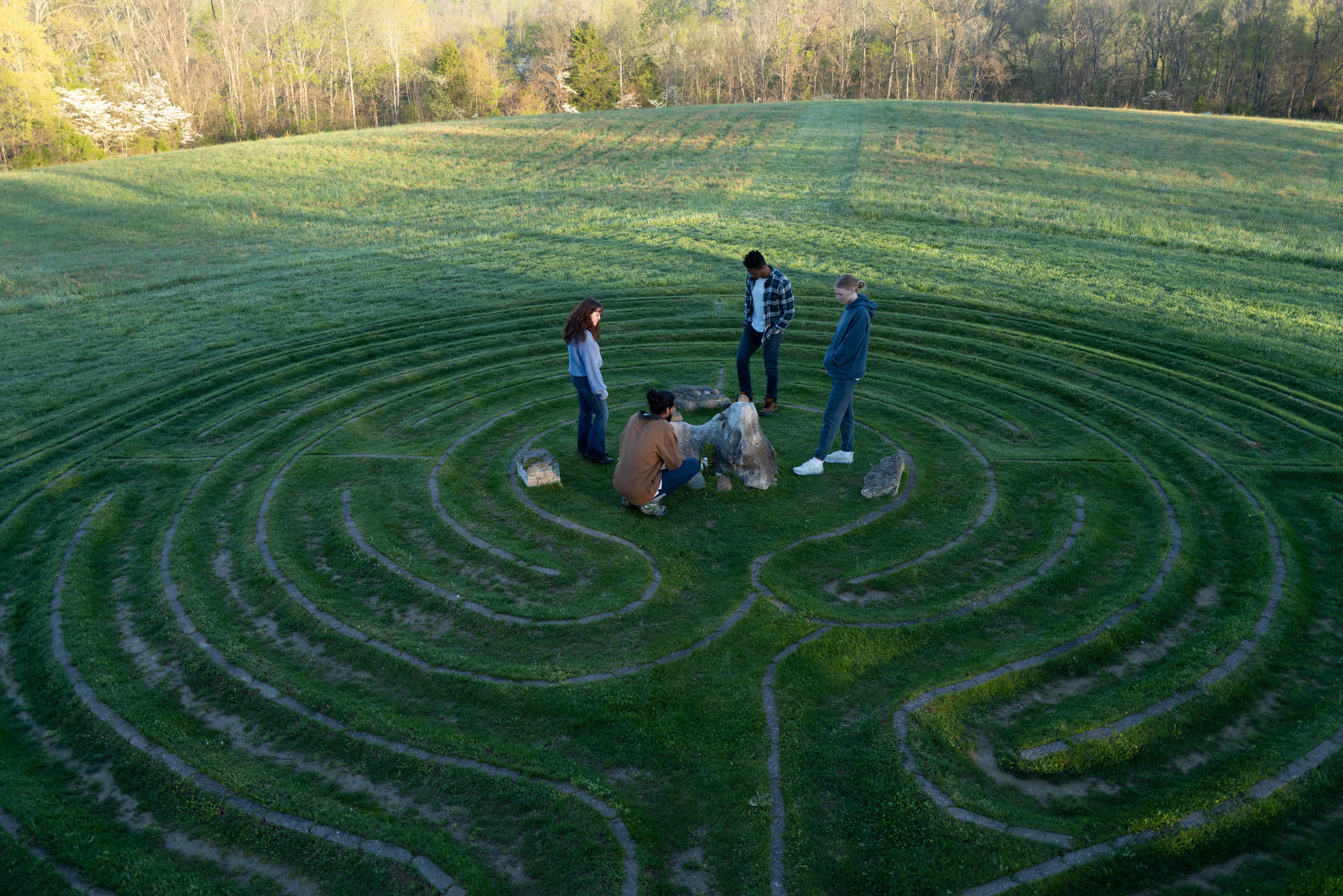
Place factors to consider prolong beyond logistics. Research validates that natural surroundings reduce cortisol degrees, lower blood pressure, and increase emotional law. Resort facilities in settings like Massachusetts' Berkshires, New York's Hudson Valley, Connecticut's backwoods, California's Sierra foothills, or Ontario's wilderness give even more than landscapes-- they supply nerves law via nature immersion. The personal privacy of secluded places enables vulnerable work without anxiety of judgment, specifically crucial for specialists, public numbers, or those seeking treatment outside their regional neighborhood.
Picking intensive treatment calls for understanding layout and follow-through
A regular intensive therapy resort unravels throughout distinctive phases. Day one focuses on consumption, background evaluation, and personal goal setting, establishing safety and rapport while introducing therapy techniques. Days two via four include the core injury processing work-- EMDR memory reprocessing, IFS components function, somatic releases, and skill building across 6-8 everyday hours with lunch breaks. The final day centers on combination, providing tools for recurring usage, wrapping loosened ends, and planning aftercare.
Between treatment sessions, resort facilities generally use complementary activities: nature walks, reflection, yoga exercise, journaling time, massage therapy or bodywork, and silent reflection. These aren't diversions-- they're therapeutic assimilation permitting the worried system to process insights and settle gains (Therapy for PTSD). Evening hours give vital rest as the brain proceeds memory reconsolidation throughout rest
Follow-up treatment proves essential for sustained results. A lot of respectable programs include aftercare preparation, with options varying from routine "tune-up" sessions to control with existing therapists to recurring support system. The intensive work takes care of core injury processing; follow-up keeps gains and addresses concerns that emerge throughout real-world reintegration.
Specialist qualifications warrant cautious assessment. Search for accredited mental wellness professionals (LCSW, PhD, PsyD, LMFT, LPC) with specialized injury training and qualification in particular techniques-- EMDRIA accreditation for EMDR specialists, IFS accreditation from the IFS Institute, or ART training from the International Society of Accelerated Resolution Treatment - Therapy for PTSD Northampton MA. Years of experience with your specific injury type (fight injury, sexual abuse, childhood years injury, facility PTSD) and subscription in expert organizations signify genuine proficiency versus practitioners providing unproven "fast solutions."
The landscape discloses possibilities and trustworthiness markers
From a SEO point of view, the intensive therapy hideaway area reveals remarkable possibility. In spite of decent domain name authority (DR 55 normal), lots of retreat providers capture essentially no natural search traffic-- leaving substantial market share readily available for well-optimized material. Search phrases like "EMDR intensive" (350 month-to-month searches, 0 difficulty), "intensive injury therapy" (250 searches, 0 difficulty), and "treatment intensive" (150 searches, 0 difficulty) stand for zero-competition access points for carriers developing material techniques.
The competitive analysis discloses effective strategies: interactive injury analyses drive 3,000+ month-to-month gos to for lead generation; program-specific touchdown web pages (couples intensives, individual intensives, EMDR intensives) catch high-intent searches; academic web content regarding intensive therapy benefits rates consistently; and location-specific pages control neighborhood searches. Carriers combining these elements with solid specialist qualifications, clear prices, customer reviews, and study citations develop authority that converts to rankings and client procurement.

For people researching choices, trustworthiness pens consist of: released study citations, acknowledgment by companies like the VA, SAMHSA, or APA, specialist accreditation in evidence-based methods, detailed descriptions of therapy techniques, clear discussion of who isn't suitable for extensive job, and practical timeframe/outcome assumptions. Warning consist of guarantees of "instant cures," lack of acknowledged qualifications, stress to dedicate before detailed screening, or absence of follow-up treatment preparation.
The extensive treatment retreat design represents greater than a therapy pattern-- it's a go back to therapy's optimal delivery format backed by neuroscience and verified by rigorous research. For injury survivors who've waited too wish for recovery, these concentrated experiences supply evidence-based hope: change measured in days, results continual across months, and lives genuinely recovered from trauma's grasp.
[category=]
Table of Contents
- – Extensive treatment delivers breakthrough outc...
- – EMDR, IFS and ART techniques master intensive ...
- – Complicated trauma from abuse responds especia...
- – Evidence demonstrates enduring change past tem...
- – Practical factors to consider shape hideaway s...
- – Picking intensive treatment calls for understa...
- – The landscape discloses possibilities and trus...
Latest Posts
Finding anchors as the prerequisite for nervous system regulation
When Weekly Treatment Isn't Quick Enough: The Case for EMDR Intensive Treatment
Intensive Retreats vs Outpatient Sessions: Which Approach is Best for You
More
Latest Posts
Finding anchors as the prerequisite for nervous system regulation
When Weekly Treatment Isn't Quick Enough: The Case for EMDR Intensive Treatment
Intensive Retreats vs Outpatient Sessions: Which Approach is Best for You