Featured
Table of Contents
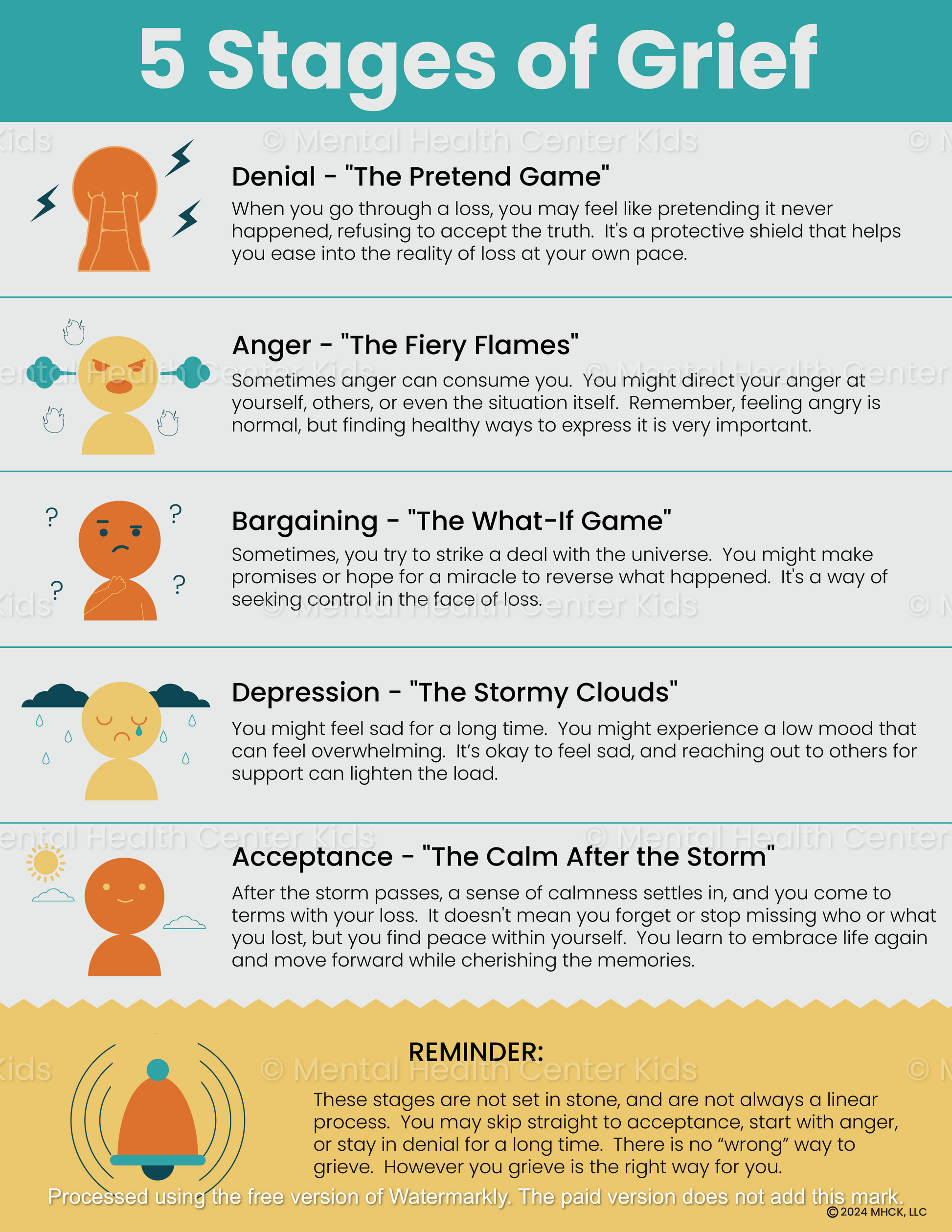
Grief is a difficult process that differs from one person to another. The 5 phases of sorrow rejection, anger, negotiating, clinical depression, and approval are a valuable structure for assuming regarding grief, but it doesn't mean we'll undergo every phase. Likewise, we can experience these aspects of pain at different times, and they do not occur in one certain order.

This site makes use of cookies to assist personalise web content, customize your experience and to maintain you visited if you register. By remaining to utilize this site, you are consenting to our use cookies.
This cyclical structure is meant to assist you much better comprehend your sensations and is not intended to suggest just how you need to grieve, what you must be feeling, or in which order. Each phase might come and go or overlap the others.
If you want to learn even more about your individual mourning procedure, it's a good idea to get to out to a trusted mental health and wellness expert to understand on your own far better and establish proper coping strategies. Discover more regarding the 7 stages of grief. Pain can be a difficult and messy process. When a loss happens, among the very first things you might experience is shock.
How Specialized Support for Professionals Makes a Difference in Your Community
That's because no one can ever before be genuinely prepared for a loss so considerable. Consequently, when you remain in shock after a loss, you might act typically or as if nothing has taken place. The majority of the time, this is since your body has not processed the loss yet. You might really feel like the circumstance hasn't "sunk in" simply yet.
These sensations and experiences are self-protective mechanisms that work as a barrier to ensure that you are not bewildered simultaneously. Due to the fact that the fatality of a liked one can have such a significant influence on you, you might experience denial. During this stage of sorrow, it is merely as well hard for your brain to comprehend that your household participant, pal, or various other loved one is gone.
As you slowly begin to accept the loss and what it implies for your life now, your denial will certainly begin to reduce. You might have a broader range of sensations and feelings when rejection uses off. Up until then, you may have periods when you really feel troubled, which can be caused by reminders of your loved one.
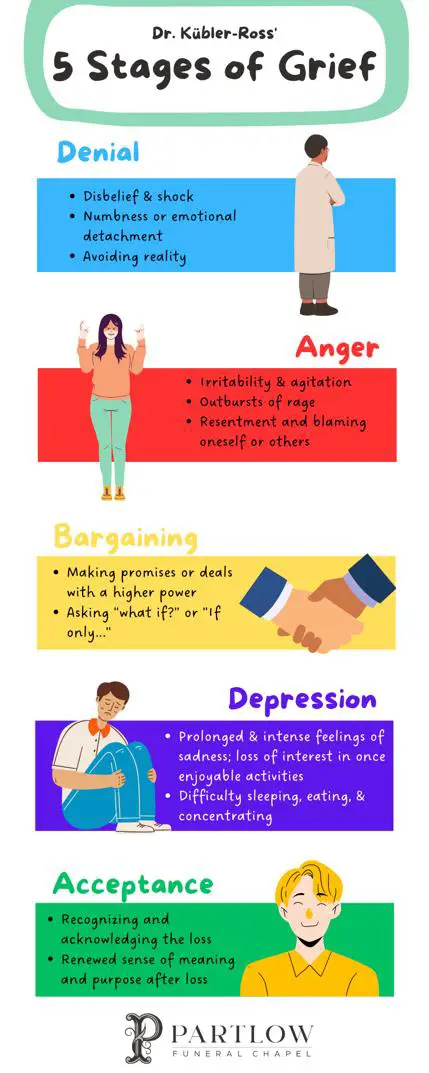
In some situations, it's a typical feeling to desire to stay clear of others to make sure that you do not need to recognize or review your loss. Often, you feel forgetful, obtain quickly distracted, or procrastinate during this stage of grief. You might additionally attempt to stay active at all times or shut down psychologically.
How Attachment Healing Enhances Professional Fulfillment
In certain situations, you might also really feel angry with the health care service providers, your friends, relative, God, or any type of other spiritual being(s) you rely on. Yet under all that anger is your discomfort. While it may be uncomfortable to handle, it supplies a lot more framework to your mourning than staying numb.
During this stage, individuals usually feel powerless and helpless and ask themselves "suppose" concerns. You may feel guilty for not doing more to keep the loss from happening or for not spending more time with the person you shed. During the negotiating phase, it prevails to ask yourself or say, "I must have done this ..." or "If I had only done that ..." While these kinds of doubts are normal, they are not where you want your mind to continue to be.
Relational Healing in the Healing Journey for Healthcare & Medical Professionals Specialists
It may additionally be practical to do something details, like compose a letter to your liked one or chat to them out loud. Once you come to terms with the reality of the loss, a deeper level of sadness may begin to creep in.
You can additionally visit for a list of added resources or call the number below to reach Material Misuse and Mental Wellness Providers Administration (SAMHSA) hotline. The screening stage of the mourning process frequently entails checking out various things that assist you move on. In this stage, you are beginning to build your brand-new regular as well as processing your feelings and emotions created by the loss.
Getting to the acceptance stage does not indicate you are alright with what took place. Instead, this component of the mourning procedure is extra concerning approving what your life appears like currently. You will certainly still require to listen to your feelings and adjust, however you will certainly start to feel more wholeeven if it looks various than it did previously.

Latest Posts
Breaking the Cycle of Cultural Trauma
Building Resilience Through Somatic therapy (Optimized) Methods
Preserving Growth Past Formal Therapy